



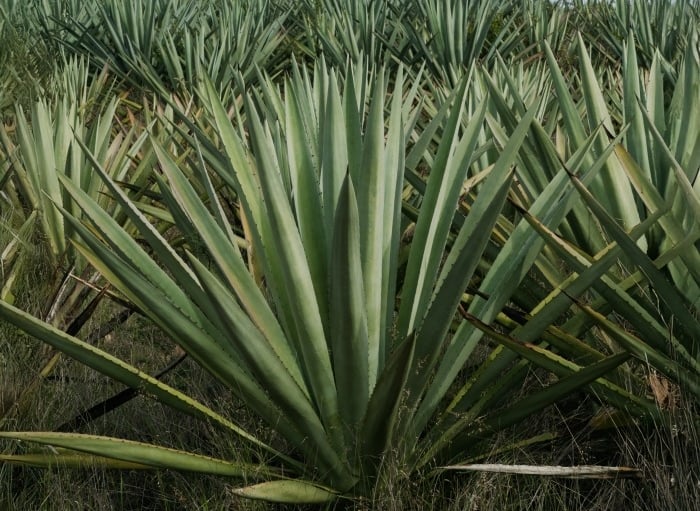
Espadín - Agaves Selectos
Espadín agave is the most commonly cultivated species for mezcal production, known for its versatility and balanced flavor.
1/29/20261 min read
Wild Mezcal Agaves: Flavor, Morphology, and the Beauty of the Untamed
Wild mezcal agaves are at the heart of some of the most complex and expressive spirits in the world. Growing without irrigation or intensive human control, these plants mature slowly in rugged landscapes, absorbing the character of their soils, climate, altitude, and surrounding biodiversity. This results in mezcales that are truly unique—unrepeatable in flavor, aroma, and texture.
Below is an in-depth look at some of the most important mezcal agaves, focusing on their scientific identity, morphology, maturation time, and the sensory notes they contribute to mezcal. Their wild nature makes them difficult to cultivate, but it is precisely this challenge that gives their mezcales such singular character.
Espadín
Scientific name: Agave angustifolia
Morphology & characteristics: Espadín has long, narrow leaves and a symmetrical rosette. While commonly cultivated, it can also be found growing wild in some regions.
Time to maturity: 6–9 years
Mezcal profile: Espadín mezcales are versatile and approachable, offering notes of cooked agave, smoke, herbs, citrus, and light sweetness.
Why it’s special: When wild-grown, Espadín develops greater aromatic intensity and terroir-driven flavors, proving that even familiar agaves can produce unique mezcales under natural conditions.
Why Wild Agaves Matter
Wild mezcal agaves are special because they are not standardized. Each plant is shaped by years—sometimes decades—of environmental pressure. This results in mezcales that are truly unique in flavor, aroma, and texture. No two batches are ever the same.
Their scarcity, long maturation, and difficulty of cultivation demand respect and responsible harvesting. When handled sustainably, wild agaves offer an unparalleled sensory experience: mezcales that tell the story of the land, the plant, and time itself.
Loma Noble
Check out more on our social media.
© 2026. All rights reserved.